


Is Plant-Based Milk Enough for Toddlers? What Parents Need to Know

Today, families have more options regarding the different types of milk available for them to buy. Plant-based milk has grown in popularity as more people explore alternatives that align with various dietary needs, lifestyle choices, and environmental values. But, if you’re thinking about swapping out cow’s milk for a plant-based substitute in your toddler’s diet, you should know plant-based milks may not meet the nutritional needs of young children.

In a recent study, Lomte (2025) examined what happens when cow’s milk is replaced with plant-based alternatives—such as soy, almond, or oat milk—in the diets of toddlers ages 1 to 3. The researchers found that most plant-based drinks, especially non-fortified or organic options, do not provide the same levels of essential nutrients found in cow’s milk (Lomte, 2025).

What the Study Found

The study analyzed how different plant-based drinks impacted toddlers’ intake of key nutrients. The results showed that children did not receive enough of the following nutrients:

  • Calcium (important for strong bones and teeth)
  • Vitamin B12 and B2 (needed for energy and brain development)
  • Iodine (supports healthy thyroid and growth)
  • Protein (helps build strong muscles and supports overall growth)

Why This Matters

During toddlerhood, children grow very fast. Their bodies and brains need specific nutrients every day to be healthy and thrive. If milk is removed from the diet without an adequate replacement, children may experience deficits in bone strength, brain development, overall growth, and energy levels (Matsuyama et al., 2016). Some U.S. organic-labeling standards restrict the addition of synthetic nutrients, which may influence the nutrient content of certain plant-based drinks sold in the United States (U.S. Department of Agriculture, 2023). Similarly, European regulations prohibit the fortification of certified organic foods with synthetic vitamins and minerals (Lomte, 2025), which may also affect the nutrient content of imported organic products. Consequently, parents may believe they are making a healthier choice by choosing options labeled “organic,” but those labels may guide people towards diets that are deficient in important nutrients.

What Parents Can Do

If you are using or considering using plant-based milk for your toddler, you may want to do the following:

  • Wait until after your child is 12 months old – In general, cow’s milk and milk alternatives should not be introduced into your child’s diet until he or she is 1 year old. However, if your child has a diagnosed allergy or special dietary need, follow your pediatrician’s guidance (Centers for Disease Control and Prevention [CDC], 2023).
  • Read the label carefully – Choose a drink that is fortified, which means vitamins and minerals like calcium, vitamin B12, and iodine have been added to make the drink more nutritionally complete (Shoemaker, 2019).
  • Consider fortified soy milk – Fortified soy beverages are currently the only plant-based milk alternative that contains the correct amount of essential vitamins and minerals to meet your child’s dairy needs. Look for versions that are unsweetened, unflavored, and fortified with calcium and vitamin D (CDC, 2023).
  • Talk to your pediatrician or dietitian – This professional can help you decide if a milk alternative is suitable for your child’s dietary needs and whether additional supplements or nutritional adjustments are necessary.

Bottom Line

Plant-based milk can be part of a healthy toddler diet, but not all milks are created equally. Fortified options, especially those made for young children, may be the better choice if you want to replace cow’s milk in your child’s diet. Remember to read labels carefully and seek support from your child’s doctor so you can feel confident your toddler is getting the nutrients he or she needs to grow strong and healthy.

References

Centers for Disease Control and Prevention. (2023, August 24). Cow’s milk and milk alternatives. https://www.cdc.gov/infant-toddler-nutrition/foods-and-drinks/cows-milk-and-milk-alternatives.html

Lomte, T. S. (2025, March 31). Study reveals most plant-based milks don’t meet toddlers’ nutrient needs. News Medical.net. https://www.news-medical.net/news/20250331/Study-reveals-most-plant-based-milks-done28099t-meet-toddlerse28099-nutrient-needs.aspx

Matsuyama, M., Harb, T., David, M., Davies, P. S., & Hill, R. J. (2016). Effect of fortified milk on growth and nutritional status in young children: A systematic review and meta-analysis. Public Health Nutrition, 20(7), 1214. https://doi.org/10.1017/S1368980016003189

Shoemaker, S. (2019, September 3). What is fortified milk? Benefits and uses. Healthline. https://www.healthline.com/nutrition/fortified-milk

United States Department of Agriculture. (2023, March 31). Allowed and prohibited substances in organic foods. https://www.ams.usda.gov/rules-regulations/organic/labeling
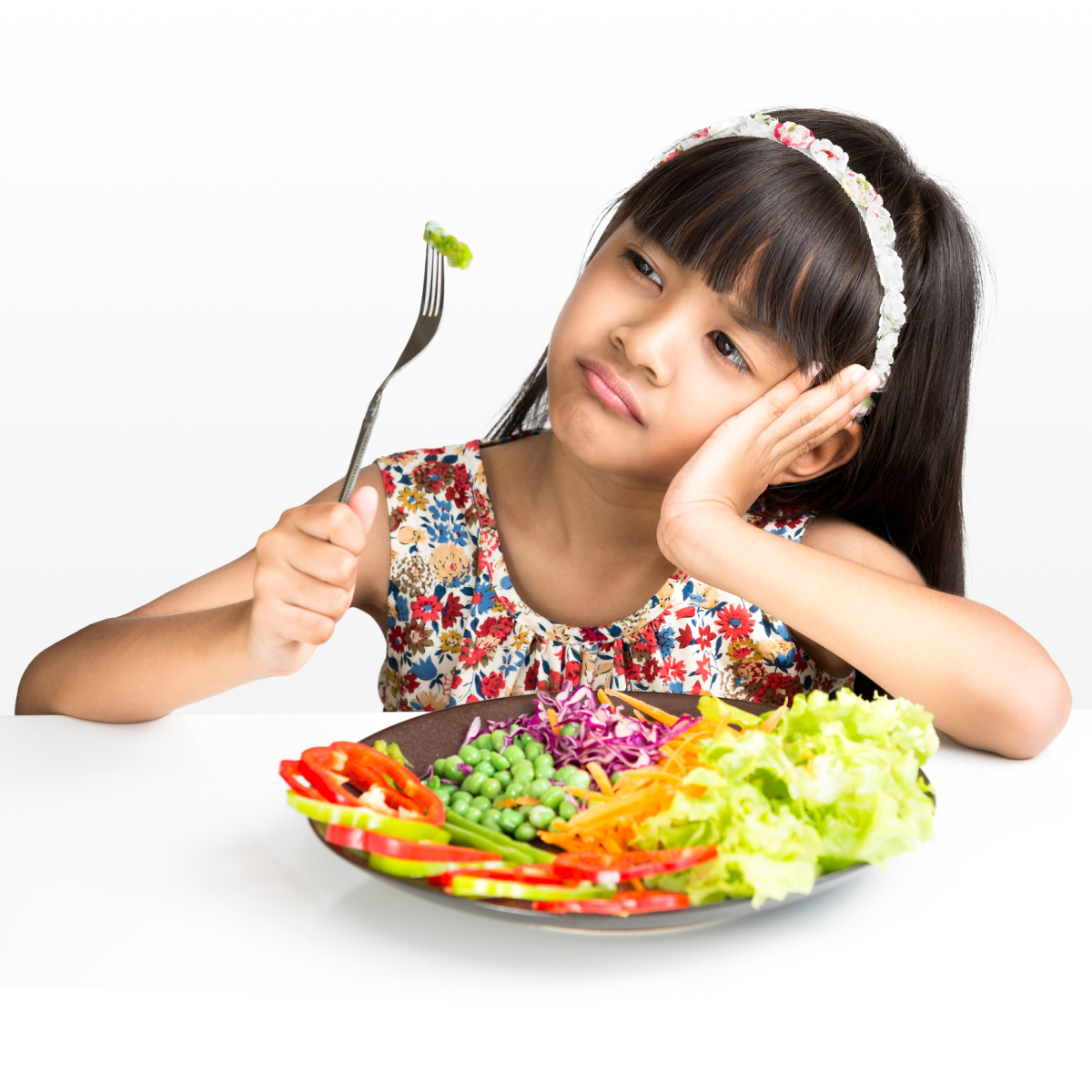
More Veggies, Please! How to Encourage Your Child to Eat More Vegetables

Vegetables play an important role in supporting your child’s growth and long-term health. Eating a variety of vegetables early in life can help your child develop a healthy gut microbiome that supports digestion and can promote lifelong well-being. Since eating habits formed in childhood often continue into adulthood, encouraging vegetable consumption early can help your child experience the lifelong benefits of a healthy, balanced diet. As your child grows, diets rich in vegetables can also lower the risk of obesity and help prevent many chronic diseases, such as heart problems and certain types of cancer (Holley et al., 2017). More specifically, raw and leafy green vegetables may offer protection against cardiac events, such as heart attacks, later in life (Holley et al., 2017). Review the United States Department of Agriculture (USDA) daily dietary recommendations for vegetables (Table 1), and try some of the strategies below to help your child develop a fondness for vegetables that can contribute to his or her health now and as your child grows.

Table 1

USDA General Daily Vegetable Recommendations for Children by Age

Toddlers – 12 to 24 months 

  • 2/3 to 1 cup

Children – 2 to 3 years

  • 1 to 1 1/2 cups

Children – 4 to 8 years

  • 1 1/2 to 2 1/2 cups

Girls – 9 to 13 years

  • 1 1/2 to 3 cups

Girls – 14 to 18 years

  • 2 1/2 to 3 cups

Boys – 9 to 13 years

  • 2 to 3 1/2 cups

Boys – 14 to 18 years

  • 2 1/2 to 4 cups

Positive Strategies to Try with Your Child

Parental and Peer Modeling. Children are more likely to eat vegetables when they see parents, siblings, and peers enjoying them. Family meals provide an opportunity to model healthy eating by including vegetables in everyday dishes like stir-fries, pastas, and salads. When children see others filling their plates with vegetables, they are more likely to want to do the same.

Repeated Exposure. Offering vegetables regularly and in different ways helps children become more comfortable with seeing, smelling, and touching them. Children often reject some vegetables at first, and this is normal. However, repeated exposure and gentle encouragement can lead to acceptance. Some children may need to try a new vegetable up to 12 to 17 times (or more) before they begin to like it (Fjeldberg, 2022).

Pair Vegetables with Familiar Foods. Offering vegetables with familiar, preferred dips (e.g., yogurt, ranch dressing, hummus, ketchup) can help children, especially those sensitive to bitter tastes, try more vegetables, like green, cruciferous vegetables such as broccoli and Brussels sprouts.

Adapt Mealtime Routines. At mealtimes, try serving vegetables first when children tend to be the hungriest. You can also offer larger portion sizes of vegetables, or serve several different vegetable options and let your child choose which ones to try and eat to give them a sense of control. In addition, vegetables make great snacks! If you stock up on vegetables for snacks and limit less nutritious snacks in your home, children may be more likely to choose vegetables when they are hungry.

Vary Your Vegetables. Providing a variety of vegetables, and in different forms, such as raw or cooked, can help ensure children consume many different vitamins and minerals. You may want to try blending vegetables into smoothies, soups, and sauces to introduce new flavors and textures and increase your child’s daily intake, but do not use this method to trick your child into eating more vegetables.

Make Vegetables Accessible. When vegetables are washed, cut, and placed within easy reach, such as on the dinner table, in lunchboxes, or as ready-to-eat snacks in the fridge, children may be more likely to grab them when they are hungry or looking for a quick snack. Make vegetables visible, available, and effortless to eat to encourage your child to try and enjoy them regularly.

Include Your Child. Involve children in choosing vegetables at the store, growing them at home, and helping prepare them for meals. These practices can spark curiosity and increase your child’s interest in trying new vegetables.

Use Non-Food Rewards. Pairing repeated exposure to vegetables with small rewards, like stickers, can encourage children to try and eventually enjoy vegetables they previously disliked.

Make Eating Vegetables Fun! When eating vegetables feels playful and interactive, children may be more likely to try a new vegetable and develop positive associations with eating it. Try activities, such as a taste-testing game or helping your child decorate his or her plate with creative vegetable faces to add some fun and whimsy to meal and snack time.

Putting Positive Strategies into Practice

As a parent, your responsibility is to provide healthy and nutritious food for your child. Give your child the responsibilities of choosing how much food to eat and whether to eat. When parents or caregivers use certain methods to get their child to eat, these practices can hinder a child’s desire to want to try new foods and develop a genuine liking for vegetables. The chart below offers helpful tips on what to do—and what to limit or avoid—when encouraging your child to try new vegetables.

Do…

  • Offer gentle encouragement and repeated exposure to help children develop positive attitudes towards trying new foods.
  • Calmly remove uneaten food from your child’s plate after a reasonable time during mealtimes (e.g., 20 – 30 minutes), and continue offering vegetables at future meals without pressure.
  • Use positive reinforcement and provide non-food rewards, like stickers, to encourage children to try new vegetables or vegetables they previously disliked.
  • Offer a variety of vegetables and celebrate small steps toward trying new vegetables without applying labels.
  • Serve vegetables in their natural form as much as possible so children can become familiar with their tastes and textures.

Avoid…

  • Forcing or pressuring children to eat vegetables as this might create negative feelings about those foods.
  • Disciplining or scolding children for not eating vegetables as this could create negative associations with food and increase mealtime stress.
  • Using dessert or other treats as a reward for eating vegetables as this can make less nutritious foods seem more desirable and frame vegetables as a food that is unpleasant. Using bribes can reduce a child’s interest in healthy foods.
  • Calling a child a “picky eater” because doing so can reinforce the behavior and make the child feel stuck in that identity.
  • Hiding vegetables in other foods may help your child consume more vegetables in the short term; however, this practice does not teach children to recognize or enjoy vegetables.

Table 2

USDA Cup of Vegetable Table

Each amount listed is what constitutes a serving of vegetables.

Dark-Green Vegetables

  • Broccoli – 1 cup, chopped or florets, fresh or frozen
  • Bitter melon leaves, chrysanthemum leaves, escarole, taro leaves, turnip greens – 1 cup, cooked
  • Beet greens, bok choy, broccoli rabe (rapini), chard, collards (collard greens), cress, dandelion greens, kale, mustard greens, spinach, Swiss chard, watercress –  1 cup, cooked or 2 cups, fresh, canned, or frozen
  • Raw leafy greens: Arugula, basil, cilantro, dark green leafy lettuce, endive, escarole, mixed greens, mesclun, romaine – 2 cups, fresh

Red and Orange Vegetables

  • Carrots – 2 medium carrots or 1 cup, slices or chopped, fresh, cooked, or frozen or 1 cup baby carrots
  • Pimento/Pimiento – 3 whole or 1 cup
  • Pumpkin, calabaza – 1 cup, mashed, cooked
  • Red and orange bell peppers – 1 large bell pepper or 1 cup, chopped, fresh, or frozen
  • Red chili peppers – ¾ cup
  • Sweet potato – 1 large sweet potato, baked or 1 cup, sliced or mashed, cooked
  • Tomatoes – 1 large tomato or 2 small tomatoes or 1 cup, chopped or sliced, fresh, canned, or cooked
  • 100% vegetable juice – 1 cup
  • Winter squash (acorn, butternut, kabocha) – 1 cup cubed, cooked, fresh, or frozen

Beans, Peas, and Lentils

  • Dry beans and peas and lentils (such as bayo, black, brown, fava, garbanzo, kidney, lima, mung, navy, pigeon, pink, pinto, soy, or white beans, or black-eyed peas or split peas, and red, brown, and green lentils) – 1 cup, whole or mashed, cooked

Starchy Vegetables

  • Breadfruit – 1½ cups, cooked
  • Cassava – ¾ cup, cooked
  • Corn, yellow or white – 1 large ear of corn or 1 cup corn kernels, fresh or frozen
  • Green peas – 1 cup, fresh or frozen
  • Hominy – 1 cup, cooked
  • Plantains – ¾ cup, cooked
  • White potatoes – 1 medium white potato, boiled or baked or 1 cup, diced, mashed, fresh, or frozen

Other Vegetables

  • Asparagus – 1 cup
  • Avocado – 1 avocado
  • Bamboo shoots – 1 cup
  • Bean sprouts – 1 cup, cooked
  • Cabbage, green, red, napa, savoy – 1 cup, chopped or shredded, raw or cooked
  • Cactus pads (nopales) – 5 pads or 1 cup, sliced
  • Cauliflower – 1 cup, pieces or florets, raw or cooked, fresh or frozen
  • Celery – 1 cup, diced or sliced, raw or cooked or 2 large stalks (11″ to 12″ long)
  • Cucumbers – 1 cup, raw, sliced or chopped
  • Green or wax beans – 1 cup, raw or cooked, fresh or frozen
  • Green bell peppers – 1 large bell pepper or 1 cup, chopped, raw or cooked, fresh or frozen
  • Lettuce, iceberg or head – 2 cups, raw, shredded, or chopped
  • Mushrooms – 1 cup, raw or cooked
  • Okra – 1 cup, cooked
  • Onions – 1 cup, chopped, raw or cooked
  • Summer squash or zucchini – 1 cup, cooked, sliced or diced

Additional Resources

Cooking to Thrive: https://thrive.psu.edu/wp-content/uploads/2025/06/thrive_cooking-to-thrive_20250630.pdf

MyPlate.gov Vegetable Tip Sheet: https://myplate-prod.azureedge.us/sites/default/files/2024-06/TipSheet-3-Vary-Your-Vegetables.pdf

References

Beals, E., Deierlein, A., & Katzow, M. (2023). Clinical interventions to increase vegetable intake in children. Current Opinion in Pediatrics, 35(1), 138-146. http://dx.doi.org/10.1097/MOP.0000000000001203

Fjeldberg, G. (2022, September 21). Raising healthy eaters: Should kids clean their plate? Mayo Clinic Health System. https://www.mayoclinichealthsystem.org/hometown-health/speaking-of-health/raising-healthy-eaters-should-kids-clean-their-plate

Holley, C.E., Farrow, C., & Haycraft, E. (2017). A systematic review of methods for increasing vegetable consumption in early childhood. Current Nutrition Reports, 6, 157–170. https://doi.org/10.1007/s13668-017-0202-1

Lomte, T. S. (2025, March 18). Eating a variety of plants helps infants build a stronger gut microbiome. News-Medical.Net. https://www.news-medical.net/news/20250318/Eating-a-variety-of-plants-helps-infants-build-a-stronger-gut-microbiome.aspx

RaisingChildren.net.au. (n.d.). Vegetables: Tips to encourage children to eat more. https://raisingchildren.net.au/toddlers/nutrition-fitness/healthy-eating-habits/vegetables

Stanford Medicine Children’s Health. (n.d.). 5 ways to boost your child’s gut health. https://www.stanfordchildrens.org/en/topic/default?id=5-ways-to-boost-your-childs-gut-health-197-29161

United States Department of Agriculture. (n.d.). Vegetables. https://www.myplate.gov/eat-healthy/vegetables